
Permanent Exhibits
Batavia Depot Museum features a series of rotating seasonal exhibits as well as several permanent exhibits.

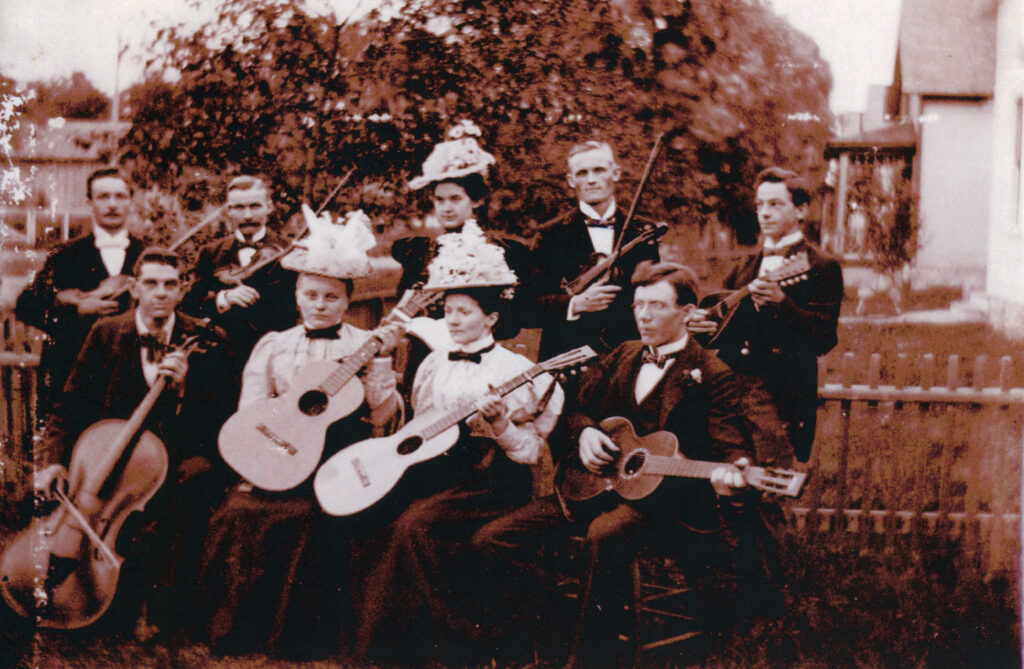
In Harmony: Batavians Making Music
Fall 2026 Exhibit
From the school marching band to community ensembles and church choirs, local groups have made music side by side for generations. This exhibit celebrates the bands, choirs, and ensembles that didn’t just create music together, but were creating connections and community beyond the final note.
Batavia Depot Museum’s fall exhibition running August 15- November 20.
Permanent Exhibits
Explore our exhibits on display year round.
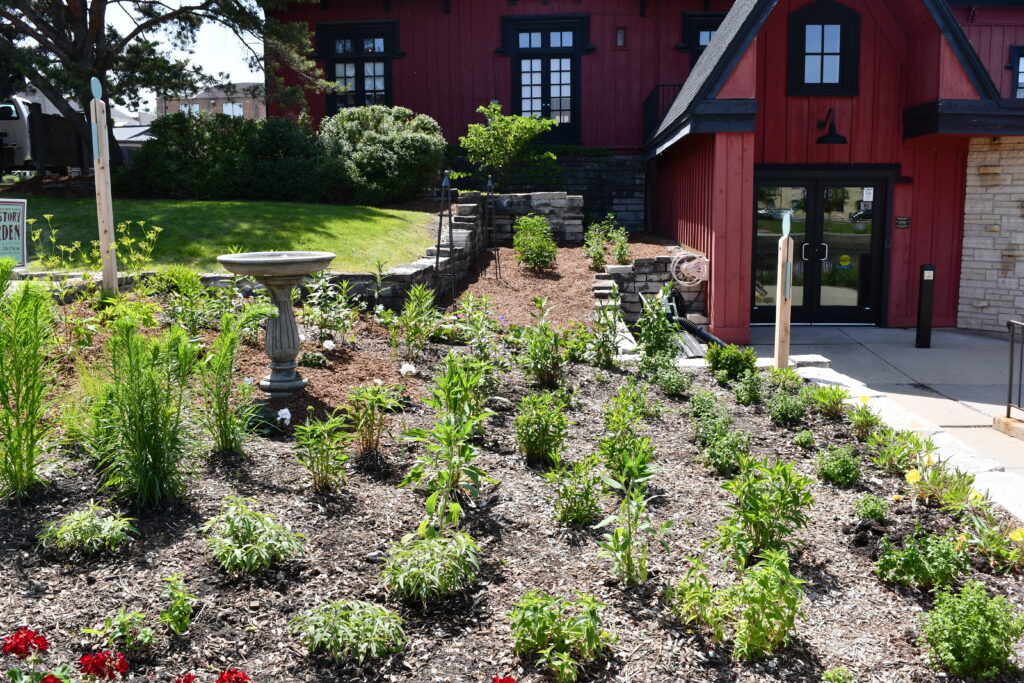
History Garden
Celebrating the horticultural history of Batavia, this outdoor garden landscape adds to the beautiful open space of our museum’s campus on the Riverwalk. This is a wonderful exhibit to spot buzzing pollinators and learn about Batavia’s gardening history from native plants to marketplace gardens. Located outside the lower doors by the Gustafson Research Center.
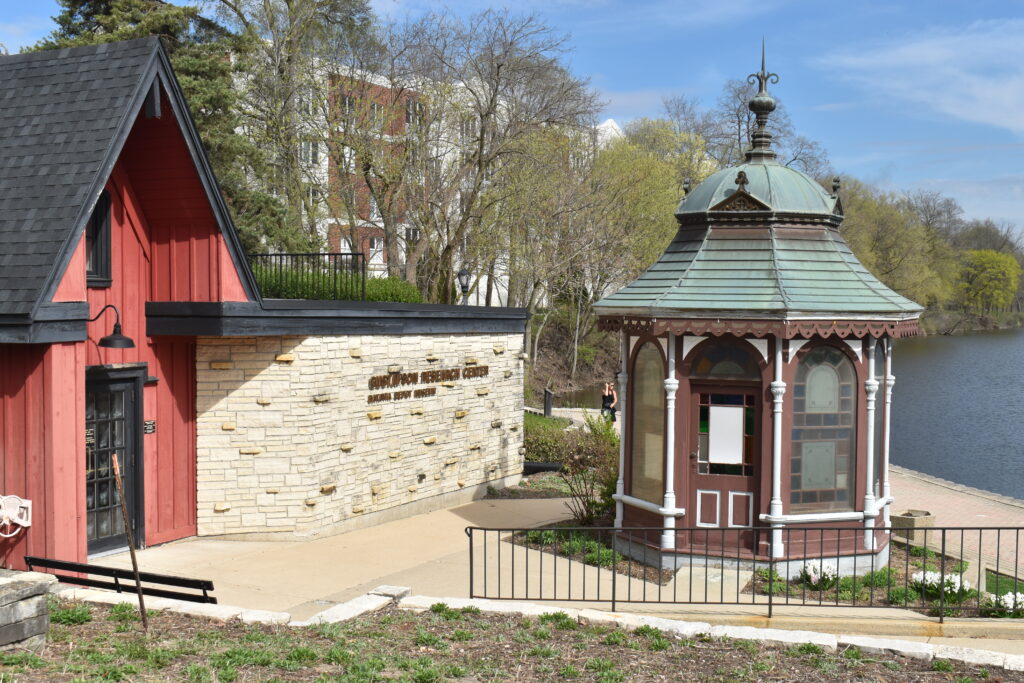
Gunzenhauser-Smith Gazebo
Formerly located at 605 N. Batavia Ave., the Gunsenhauser-Smith Gazebo is an architectural feature donated to the Batavia Park District in 1989 by William Y. Tien. The gazebo is located near the Riverwalk.
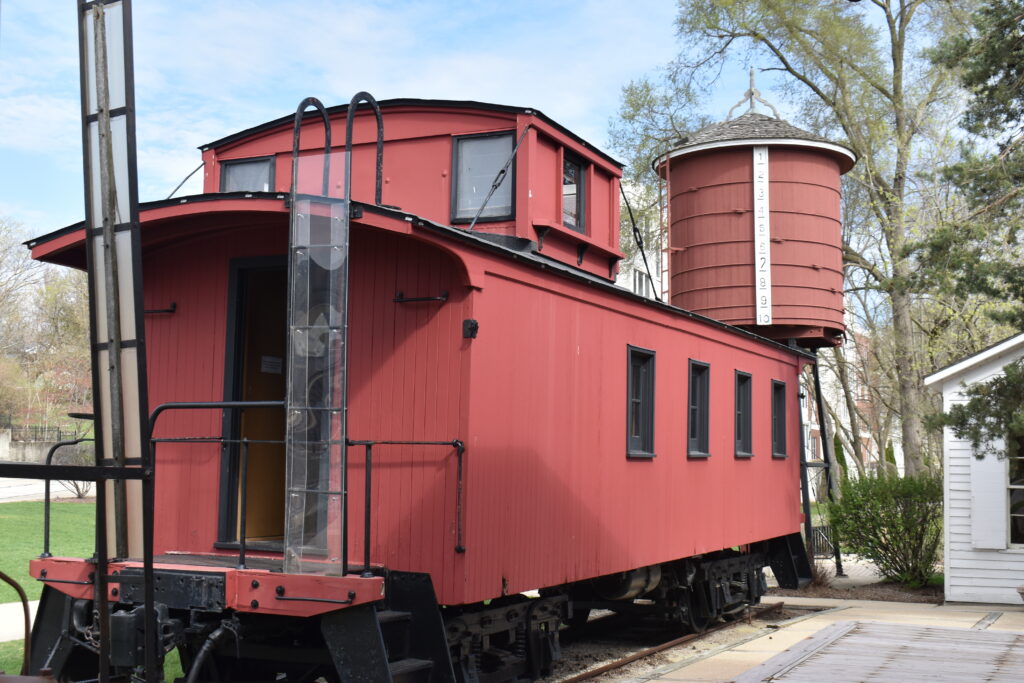
1907 Caboose
The 1907 Chicago Burlington and Quincy Caboose has been outfitted to look as it did back when it was in service. Discover why cabooses were necessary to early trains and about the men who worked them!
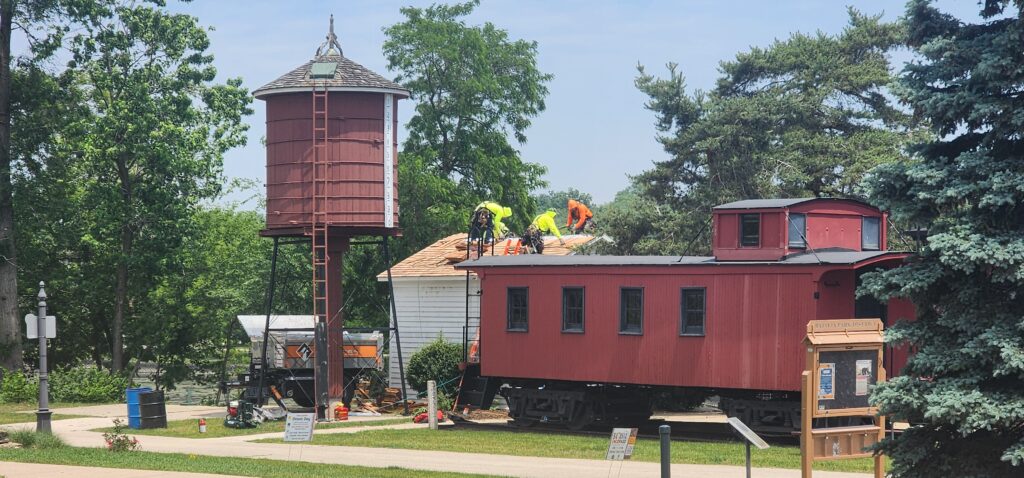
Coffin Bank
William Coffin used this small shed in the backyard of his grand home for the very first bank in Batavia, opened 1856. Learn more about Batavia’s banking history inside!
Coffin Bank is located outside the Depot Museum near the 1907 caboose.
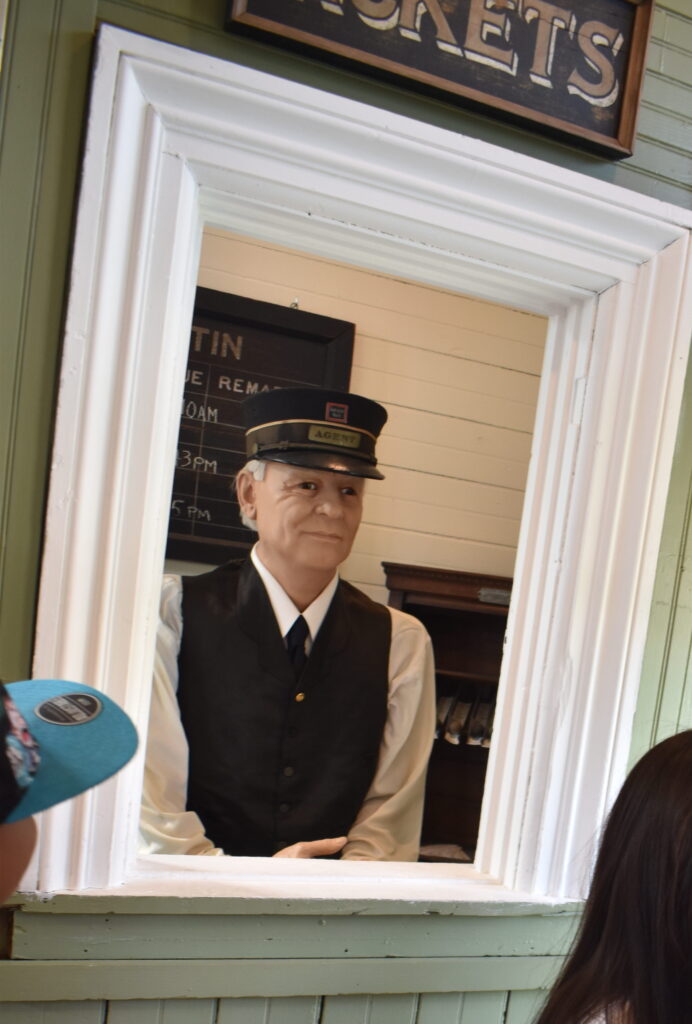
Batavia’s Railroads
Batavia was the home to many railroads, and each has an important place in the civic and industrial life of the community. This exhibit chronicles the early railroads in Batavia and the Depot’s early days.
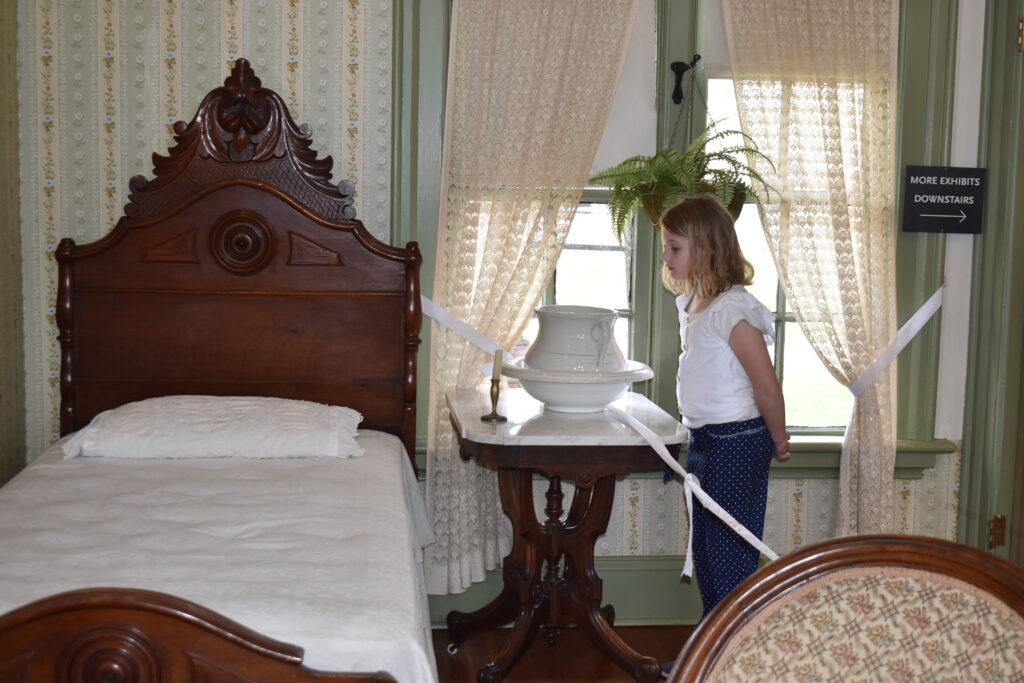
Mary Todd Lincoln and Bellevue Place
After she was legally declared insane, Mary Todd Lincoln was sent to Bellevue Place in Batavia and put in the care of Dr. Richard Patterson. Here you can learn more about the sanitarium, Mary Todd Lincoln, and see the bed she slept in while being treated.
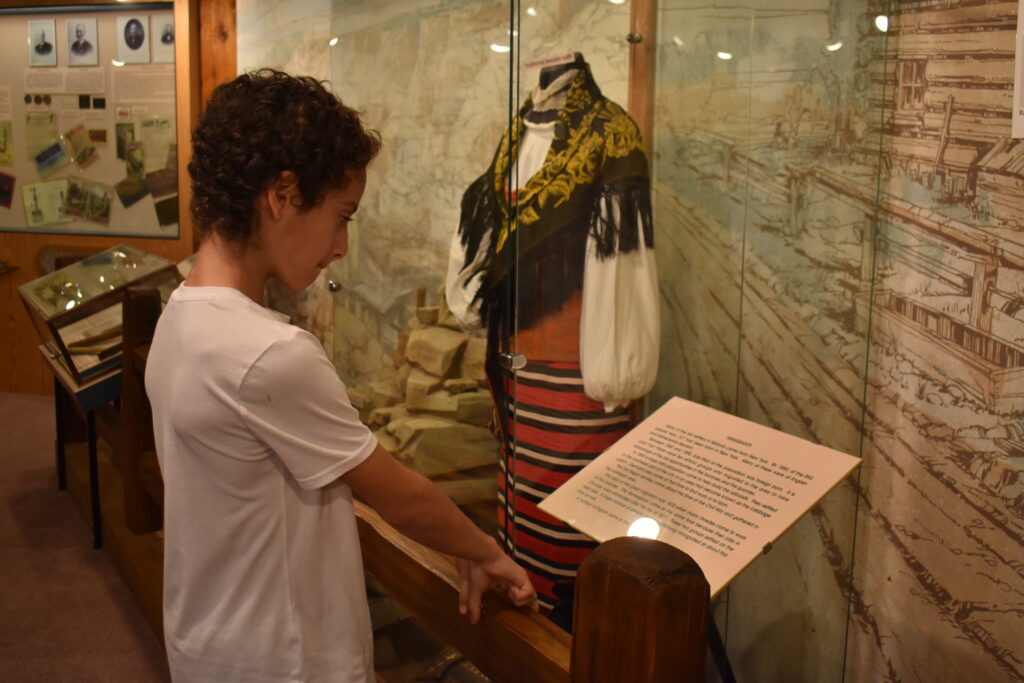
The VanNortwick Room
The VanNortwicks had a strong hand in shaping early Batavia into the town it is today. Take a glimpse into the family’s life and discover their many contributions to settling Batavia and bringing prominent industries to town, such as the railroad and several windmill manufacturers. The VanNortwick Room is located on the main level of the museum.

Little Town in a Big Woods
Based on the synonymous book by Marilyn Robinson, this exhibit chronicles the early days of Batavia, focusing on settlement and industrial growth of the area. The display is located on the lower level of the museum.